- Women at the heart of agricultural production and food security

Annual report
Zoom
Agriculture
USCA, a new partner supporting farmers in Burkina Faso
Rights
Agricultural finance
Citizen mobilization
Women at the heart of agricultural production and food security
The commitment of SOS Faim and its partners in Africa
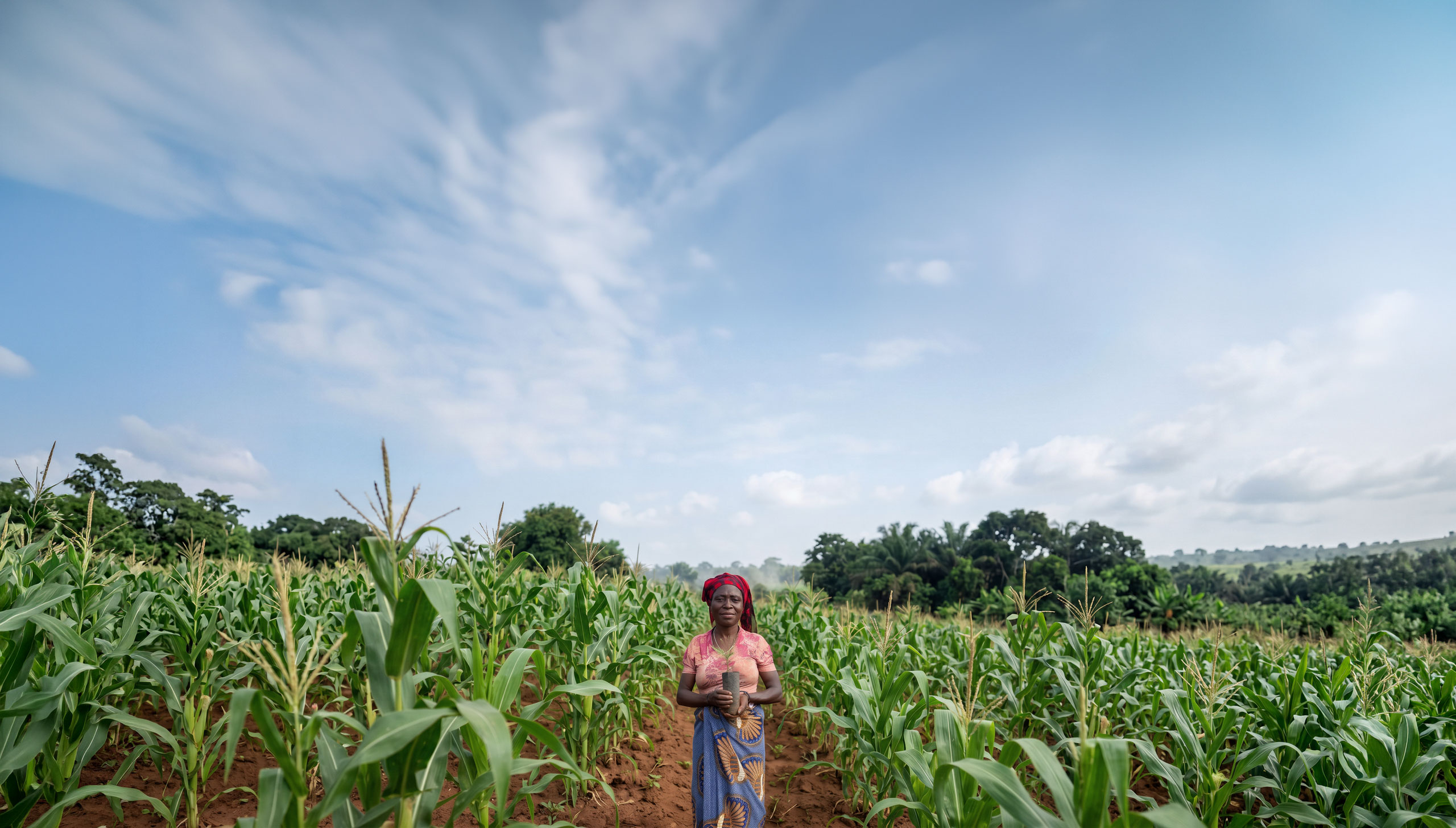
In most African countries, women produce between 60% and 80% of food and are responsible for half of global food production. They play a central role in all stages of food production, from sowing to harvesting, including the processing of agricultural products. Yet their vital contribution to food security remains largely underestimated and inadequately supported. SOS Faim, an organisation committed to the fight against hunger and poverty, places women at the heart of its work in Africa, collaborating with local partners to strengthen their autonomy and access to resources.
The vital role of women in agriculture
Women are the unseen pillars of global agriculture. They carry out the majority of agricultural tasks. They are also active in the processing of agricultural products, an activity that generates additional income for their families. For example, they press oil, husk rice, or turn milk into cheese. Despite this, their work is often overlooked and undervalued. The obstacles they face are numerous. In many societies, traditions and laws limit their access to land ownership, even in the event of their husband’s death.
According to the Food and Agriculture Organisation of the United Nations (FAO), less than 20% of landowners worldwide are women, and only 5% of agricultural loans are granted to them.
These inequalities have a direct impact on food security. Strengthening women’s rights and their access to resources is therefore essential to combating hunger.
SOS Faim: a commitment to women’s empowerment
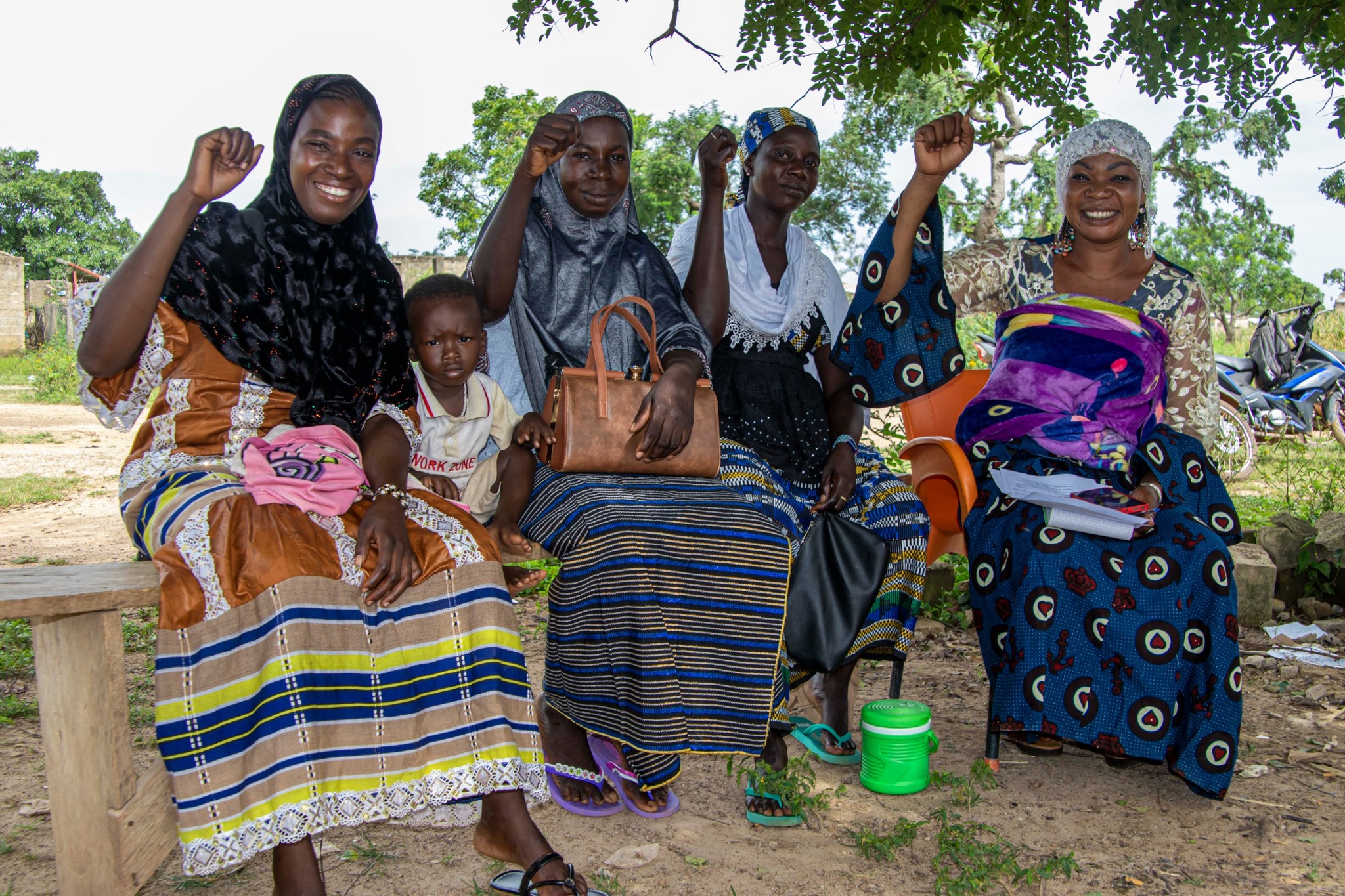
Women are at the heart of agricultural production and food security, yet their role is all too often overlooked. SOS Faim and its partners in Africa are committed to changing this reality by strengthening women’s rights, improving their access to resources, and valuing their work. By supporting initiatives such as those of ANOPER, CGLTE-AO, Facilitator for Change, and UBTEC, SOS Faim is helping to build a fairer, hunger-free world where rural women can fully realise their potential.
ANOPER: valuing the work of women livestock farmers
Since 2011, SOS Faim has been working with the National Association of Professional Ruminant Livestock Farmers’ Organisations (ANOPER) in Benin. This association brings together 35,000 livestock farmers and is committed to improving their living conditions. A key focus of its work is supporting women who process milk into products such as cheese and pasteurised milk.
In 2025, the need to address food shortages during the lean season on farms led to the training of 115 women in herd management across 14 municipalities in the departments of Borgou and Alibori. Improving livestock productivity is a fundamental factor in the progress of smallholder farms. This led to the training of 981 livestock farmers, including 209 women, in artificial insemination.
Training livestock farmers in fodder conservation techniques and practices
To facilitate animal feeding during the dry season on farms, 2,704 livestock farmers, including 751 women, received training on the production of feed supplements (haymaking; techniques for treating straw with urea; BMND and lick stones).
Raising awareness among livestock farmers about vaccination against epizootic diseases
Awareness-raising sessions on vaccination against bovine pasteurellosis, foot-and-mouth disease, contagious bovine nodular dermatosis, and the Local Animal Health Service are organised for livestock farmers to combat epizootic diseases. A total of 5,401 livestock farmers, including 837 women, have been reached.
Organising awareness-raising sessions on peaceful transhumance for the benefit of EFP
The content of the pastoral code has been disseminated to various stakeholders in the municipalities of the Borgou and Alibori departments. In total, 3,369 livestock farmers and local stakeholders, including 684 women, were made aware of the issues. This has helped to clear access routes, mountain passes, and grazing areas in certain localities.
Raising awareness among livestock farmers about the effects of climate change and promoting climate-smart best practices
Improving herders’ resilience to the adverse effects of climate change required capacity-building for 4,192 herders, including 750 women, on climate-smart best practices. This support helped change herders’ perceptions of fodder cultivation and its various uses.
Training stakeholders in the dairy sector on techniques for processing, storing, and preserving dairy products
Consumer demands and the ambition to explore new markets prompted UDOPER to build the capacity of 105 female cheesemakers from processing groups in the production, preservation, and packaging of dairy products. In total, 249 livestock farmers, including 105 aged over 35, received capacity-building support. Women’s groups involved in processing milk into cheese and pasteurised milk were also supported. As a result, the quality of the cheese produced by the trained women improved compared to that of other women. The taste and texture of the cheese improved.
As a result, these cheesemakers have stopped using bags to boil the cheese. This will maximise the profit derived from dairy by-products.