
Annual report
Zoom
Agriculture
Rights
Agricultural finance
Citizen mobilization
AlimenTERRE Festival
- Teranga: Training Young Leaders in the Food Transition
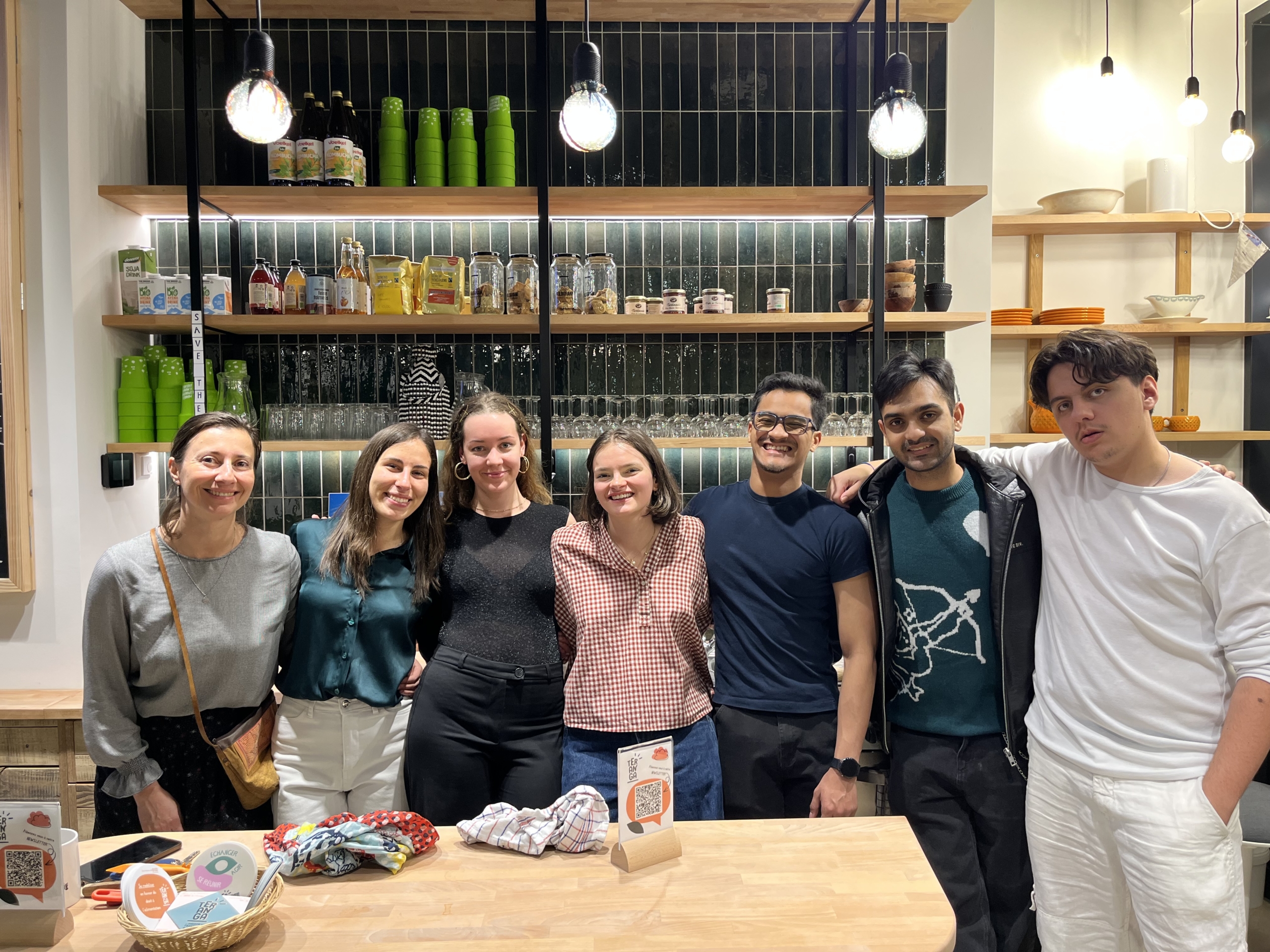
Teranga: Training Young Leaders in the Food Transition
In Schifflange, TERANGA—the House of Food Transition—serves as a strategic tool for SOS Faim to connect global agricultural and food issues with local realities. What sets TERANGA apart is the central role it gives to young people: they are not merely the target audience, but active participants fully involved in the project.
Learning through responsibility
Eight young people currently live at TERANGA, including European volunteers. The house is a place to live, but above all a space for learning through practice.
The young people welcome visitors, organize events, and lead workshops on seeds, biodiversity, and the fight against food waste. They learn to coordinate activities, speak in public, convey a message, and work as a team.
The goal is to empower young people to take action by entrusting them with real responsibilities and fostering experiential learning.
Early outcomes confirm the model’s effectiveness: increased engagement, clearer career paths, continued involvement in community work, and even the integration of a former volunteer into the team.
Connecting the Local and the Global
At TERANGA, food serves as a gateway to broader issues: farmers’ rights, food sovereignty, agroecology, and North–South interdependencies.
Young people are not merely made aware of these issues; they are guided to understand systemic dynamics and to position themselves as active agents within these processes.
Starting in 2026, this initiative will be strengthened through the participation of young people in the World Social Forum in Benin, designed as a foundational educational program that includes preparation, immersion, and debriefing in Luxembourg.
Consolidating to Scale Up
The first two years have confirmed the project’s relevance. They have also highlighted a central challenge: training young people for engagement requires structured support and appropriate resources.
The commitment is real. It must now be consolidated through more structured pathways, enhanced supervision, and improved educational quality. In two years, TERANGA has already reached several hundred direct and indirect beneficiaries. But beyond the numbers, its most strategic impact lies in training a generation capable of connecting food, social justice, and civic action.
TERANGA’s goal is to empower young people not only to become an informed audience but also to take an active role in the transition. This is also one of the key priorities for development in the coming years, and increased support will be crucial to achieving it. To learn more about TERANGA and its activities, visit www.teranga.lu.