
Annual report
Zoom
Agriculture
Rights
Agricultural finance
Agricultural financing in the Sahel: lessons from the AGRI+ programme shared during a webinar
- Financing the future of Senegalese agriculture: the inclusion of young people and women as a driver of transformation
Citizen mobilization
Financing the future of Senegalese agriculture: the inclusion of young people and women as a driver of transformation
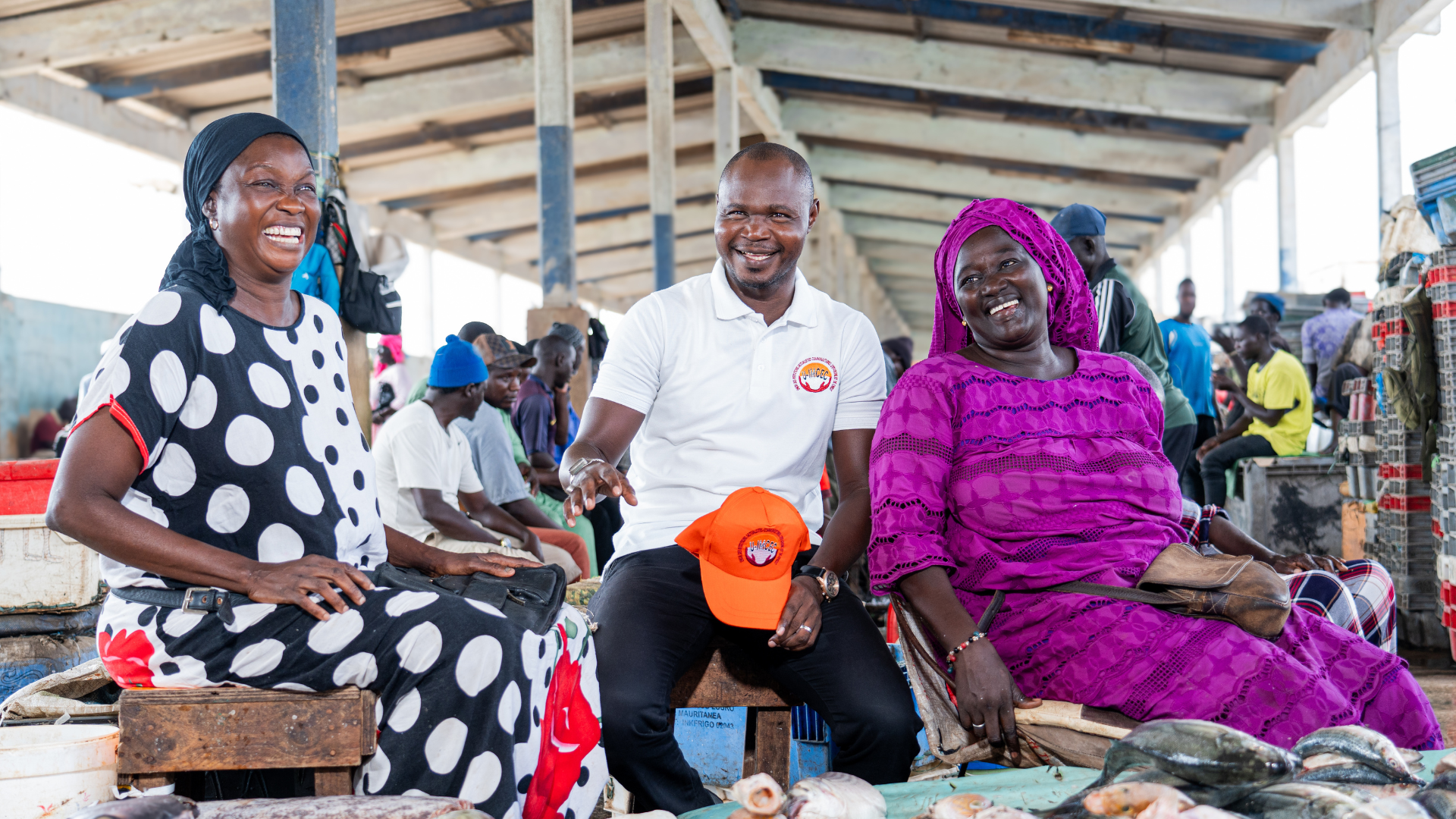
Focus on the partnership with U-IMCEC in Senegal
In Senegal, agriculture plays a key role: it is the main source of income for nearly half of all households and is a vital driver of youth employment and food security. However, small-scale farmers – particularly young people and women – continue to face difficulties in accessing finance and a lack of appropriate support.
In this context, financial inclusion appears to be a key driver in supporting the transformation of family farming.
An approach tailored to rural realities
Since 2001, the Union of Community Mutual Savings and Credit Institutions (U-IMCEC) has been developing financial services accessible to rural and peri-urban populations. Its approach combines savings, credit, and support (training, advice, entrepreneurship) to sustainably strengthen beneficiaries’ capacities.
To address the specific needs of the agricultural sector, U-IMCEC established an Agricultural Finance Centre (CFA) in 2022. This initiative offers solutions tailored to agricultural cycles, whilst incorporating innovations such as loans combined with insurance or the financing of sustainable equipment.
Supporting a new generation of agri-entrepreneurs
One of U-IMCEC’s key priorities is the empowerment of young people and women. By facilitating access to appropriate financial services and building their skills, the organisation supports the development of viable and sustainable agricultural activities, particularly in agroecology.
Since September 2025, SOS Faim has been working alongside U-IMCEC to continue developing inclusive financing mechanisms and building the capacity of young Senegalese farmers.
This partnership helps to address a global challenge: with more than 2.3 billion people worldwide facing food insecurity, it is essential to support local, sustainable, and inclusive solutions.